Choosing the best monitors for gaming PCs is more than a matter of screen size; it’s about balancing refresh rate, response time, panel technology, and connectivity to match the performance of modern graphics cards. Whether you’re grinding in competitive shooters or exploring vast open worlds, the right monitor can reduce eye strain, improve reaction times, and fully showcase your game’s visual fidelity. In this guide we break down the most important specifications, recommend top models for various budgets, and explain how to future‑proof your investment.
Understanding Key Specifications
Before diving into specific models, it helps to understand the jargon that appears on product pages. A liquid crystal display (LCD) can use several panel types, each affecting colour accuracy and viewing angles. IPS panels deliver vivid colours and wide angles, making them ideal for immersive RPGs, while VA panels offer higher contrast ratios, beneficial for dark‑themed games. For fast‑paced esports titles, a high refresh rate—commonly 144 Hz, 240 Hz, or even 360 Hz—and low input lag are critical for competitive advantage.
Top Picks for Different Budgets
Below is a curated list of monitors that excel in one or more categories, from entry‑level to premium flagship units. All options support either DisplayPort 1.4 or HDMI 2.1, ensuring compatibility with the latest graphics cards and consoles.
- Budget Champion – 24″ 1080p 144 Hz: The ASUS VG248QR provides a fast 0.5 ms response time, adaptive sync, and ergonomic stand, making it perfect for students or casual gamers seeking high refresh without breaking the bank.
- Mid‑Range All‑Rounder – 27″ 1440p 165 Hz: The LG 27GL850 uses an IPS panel with NIST-calibrated colour accuracy, delivering HDR10 support and a buttery‑smooth 165 Hz experience for both shooters and story‑driven titles.
- High‑End Performer – 32″ 1440p 240 Hz: The Samsung Odyssey G7 combines a 1000R curvature with a VA panel for deep blacks, while its 240 Hz refresh rate and 1 ms response time cater to elite esports athletes.
- Ultimate Immersion – 34″ Ultra‑Wide 1440p 144 Hz: The Gigabyte G34WQC offers an ultra‑wide 21:9 aspect ratio, HDR support, and FreeSync Premium, delivering a cinematic field of view that enhances racing simulators and strategy games.
Where to Buy and What to Look For
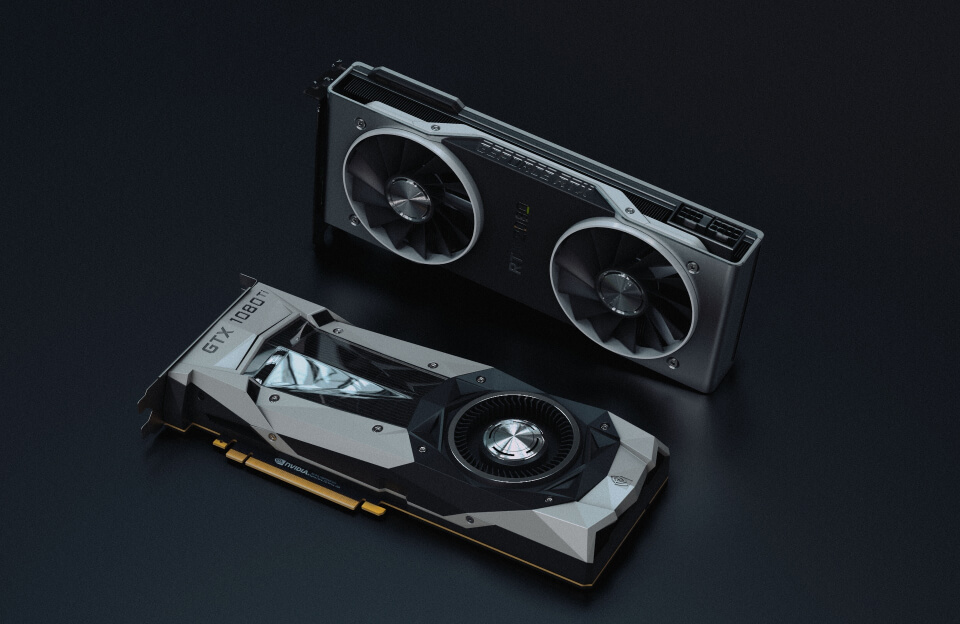
When purchasing a monitor, verify the warranty period—most reputable brands offer three years of coverage. Look for certifications such as DisplayPort 1.4 or HDMI 2.1, especially if you plan to use a high‑end GPU like the RTX 4090. Additionally, many monitors now feature built‑in USB‑C ports that can deliver up to 65 W of power, simplifying cable management for laptops and consoles.
Retailers such as Amazon, Newegg, and B&H Photo routinely provide user reviews that can reveal real‑world performance regarding ghosting or backlight bleed. If possible, test the monitor in‑store to assess colour uniformity and motion handling before committing to a purchase.
Future‑Proofing Your Setup
Gaming technology evolves quickly, but a well‑chosen monitor can remain relevant for several years. Prioritize a high refresh rate that exceeds current standards—240 Hz or higher—to stay ahead of upcoming title releases. Selecting a monitor with HDR10+ or Dolby Vision ensures that future games with advanced lighting will look their best. Finally, consider modular stands or VESA‑compatible mounts, allowing you to upgrade the ergonomics of your rig without buying a new display.
In summary, the best monitors for gaming PCs balance refresh rate, panel type, resolution, and connectivity to match both your current needs and future aspirations. By focusing on key specifications, choosing a model that fits your budget, and verifying warranty and port options, you can enjoy smoother gameplay, richer colours, and a more immersive experience.
Ready to level up your gaming experience? Explore the models above, compare prices, and equip your rig with a monitor that truly reflects the power of your gaming PC. Click now to find the perfect match and dominate your favorite titles!
Frequently Asked Questions
Q1. What refresh rate should I look for in a gaming monitor?
For competitive gaming, a refresh rate of 144 Hz or higher is ideal because it provides smoother motion and reduced input lag. If you play fast‑paced shooters, 240 Hz or 360 Hz can give an extra edge, but you’ll need a powerful GPU to reach those frame rates.
Q2. Is an IPS panel better than a VA panel for gaming?
IPS panels excel in colour accuracy and wide viewing angles, which is great for RPGs and open‑world titles. VA panels offer higher contrast and deeper blacks, making them suited for dark‑themed games. Choose based on the type of games you play most.
Q3. Do I need HDMI 2.1 or DisplayPort 1.4 for a 1440p 240 Hz monitor?
Both HDMI 2.1 and DisplayPort 1.4 can handle 1440p at 240 Hz, but DisplayPort is more widely supported for high‑refresh PC setups. HDMI 2.1 becomes important if you also want to connect next‑gen consoles that use that standard.
Q4. How important is HDR for gaming monitors?
HDR adds brighter highlights and deeper shadows, improving visual realism, especially in titles with HDR support. Look for monitors with at least HDR10 and a decent peak brightness (300 cd/m² or more) to see a noticeable benefit.
Q5. What warranty and connectivity features should I check before buying?
Reputable brands typically offer a three‑year warranty covering dead pixels and backlight issues. Verify the presence of DisplayPort, HDMI 2.1, and optionally USB‑C Power Delivery, which can simplify cable management and future‑proof your setup.